Introduction
Good habits are not built through pressure, reminders, or repeated nagging. Instead, they are developed through consistency, structure, and emotional safety. When children feel guided rather than controlled, they naturally adopt positive routines that stay with them for life.
Why Nagging Does Not Work
Nagging may create short-term compliance, but it often leads to resistance, frustration, and dependency. Children may follow instructions only when reminded, instead of developing internal responsibility.
What Actually Builds Habits
Children develop habits through repetition, environment, and modeling. When they repeatedly see and experience a behavior in a structured way, it becomes automatic over time.
1. Create a predictable routine
Children feel secure when their day follows a predictable pattern. Morning routines, homework time, and bedtime schedules help build automatic behavior patterns.
2. Use visual reminders instead of verbal pressure
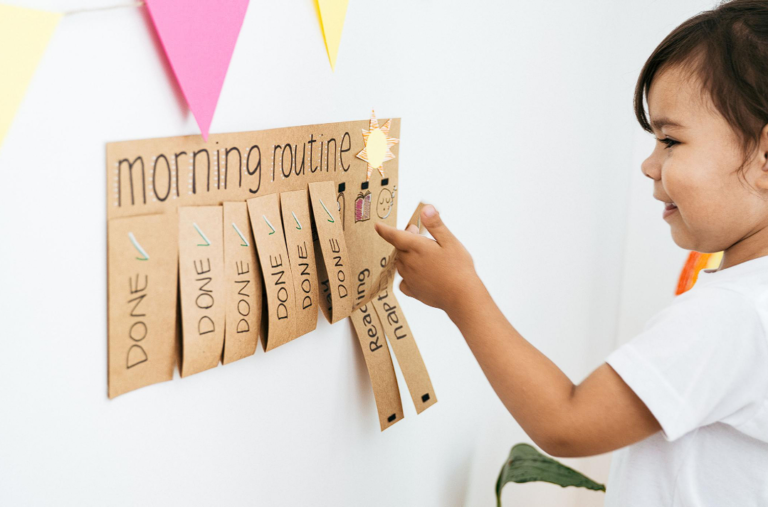
Instead of repeatedly telling your child what to do, use charts, checklists, or visual schedules. This reduces dependency on parents and builds independence.
3. Model the behavior yourself
Children learn more from what parents do than what they say. If you want discipline, consistency, or reading habits, demonstrate them in your own daily life.
4. Start small and stay consistent
Habits are built through small repeated actions. Focus on one behavior at a time, such as brushing teeth, organizing toys, or completing homework on time.
5. Give positive reinforcement
Acknowledge effort instead of perfection. Simple appreciation like “You did that on your own” strengthens motivation and confidence.
Real-Life Example
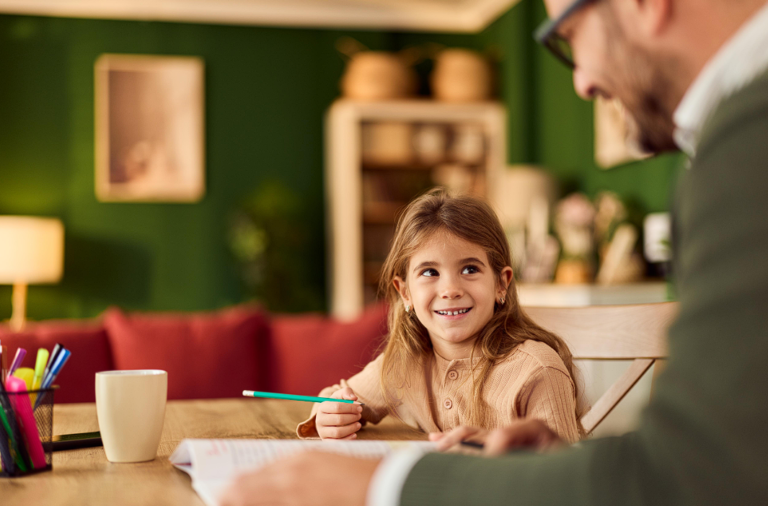
Instead of saying “How many times do I have to tell you to do your homework?”, set a fixed routine: “Homework time starts at 5 PM every day.” Over time, the child adapts without reminders.
Conclusion
Good habits are not forced — they are built. When parents replace nagging with structure, consistency, and positive reinforcement, children naturally become more responsible and self-disciplined.